
I am a retired insurance claims adjuster who spent more than two decades reviewing accident files, injury reports, settlement demands, and legal correspondence from law firms across several states. During that time, I saw firsthand how different attorneys approached injured clients and how their preparation affected the outcome of a case. Those experiences shaped the way I evaluate legal representation today. When people ask me what separates one law firm from another, I usually start by talking about communication, preparation, and consistency rather than advertising.
For over 20 years, I worked on files involving car crashes, trucking accidents, workplace incidents, and other injury-related claims. Some cases were resolved quickly because the facts were clear, while others required months of investigation and negotiation. I noticed that the attorneys who consistently prepared organized documentation often put their clients in stronger positions.
A file can contain hundreds of pages. Medical records, witness statements, photographs, and repair estimates all play a role in understanding what happened. When I reviewed claims supported by detailed records and clear timelines, it was easier to evaluate the issues involved and move discussions forward.
One case from several years ago still stands out in my memory. An injured driver had undergone treatment for many months, and the attorney handling the matter presented the medical history in a way that was easy to follow. That level of preparation reduced confusion and kept the conversation focused on the actual facts rather than missing information.
Experience matters. Preparation matters too. I learned that both often work together.
Many people only hire an attorney once in their lives. Because of that, they may not realize how much variation exists between firms in terms of communication, organization, and client support. Over the years, I paid attention to firms that maintained steady contact with clients and stayed involved throughout the life of a case.
When researching firms that handle injury cases, some people choose to learn more about the attorneys at Moseley Collins as part of their evaluation process. I think that approach makes sense because reviewing a firm's background, practice focus, and public information can help people understand whether the representation aligns with their needs. Taking an hour or two to compare firms often provides more clarity than relying on advertisements alone.
I remember speaking with a claimant one spring who felt overwhelmed by paperwork, medical appointments, and insurance correspondence. The legal issues were only one part of the challenge. Having an attorney who could explain the process in plain language appeared to reduce a great deal of stress for that individual.
Communication often becomes more important than people expect. A case may last many months, and clients generally want updates even when there has been little visible progress. Firms that make communication a priority tend to create a better experience for the people they represent.
One misconception I encountered frequently was the idea that injury claims are decided by a single dramatic piece of evidence. In reality, many cases are built through dozens of smaller details gathered over time. Medical records, expert opinions, treatment notes, and witness accounts can collectively tell a much stronger story than any single document.
Several files I reviewed contained more than a thousand pages of records. Sorting through that amount of information requires patience and attention to detail. Attorneys who take the time to understand every aspect of a case are often better equipped to address questions that arise during negotiations.
A customer I spoke with after an accident had kept careful records of medical visits, transportation expenses, and missed work. Those records became valuable because they helped create a clearer picture of how the injury affected daily life. Small details sometimes carry surprising weight.
I also learned that expectations matter. People occasionally assume every injury case will resolve quickly, but some disputes involve complex facts or disagreements about responsibility. Attorneys who explain those realities early tend to help clients make more informed decisions throughout the process.
My perspective comes from reviewing thousands of claims rather than practicing law. Even so, certain patterns became obvious after enough years in the industry. Whenever someone asks for my opinion, I usually suggest looking at a few practical factors before choosing representation.
The first factor is experience in the specific type of case involved. A person injured in a trucking accident may have different concerns than someone involved in a standard vehicle collision. The second factor is responsiveness. The third is whether the firm appears prepared to investigate facts thoroughly rather than rushing toward a quick resolution.
I also pay attention to how attorneys discuss difficult situations. Injury claims often involve uncertainty, and no responsible lawyer can promise a specific outcome. Firms that communicate honestly about strengths and weaknesses generally create more realistic expectations for clients.
Another detail that stands out is consistency. Over a period of years, I noticed that well-organized legal teams often maintained similar standards from one case to the next. That kind of consistency may not generate headlines, but it can make a meaningful difference during a long legal process.
Whenever I reflect on the many claims I handled throughout my career, I keep coming back to the same conclusion. People facing injuries often benefit from taking their time, asking questions, and learning about the attorneys they may hire. A legal matter can affect finances, health, and daily life for months or even years, so thoughtful research is rarely wasted effort. The firms that leave the strongest impression on me are usually the ones that combine preparation, communication, and steady client support from beginning to end.
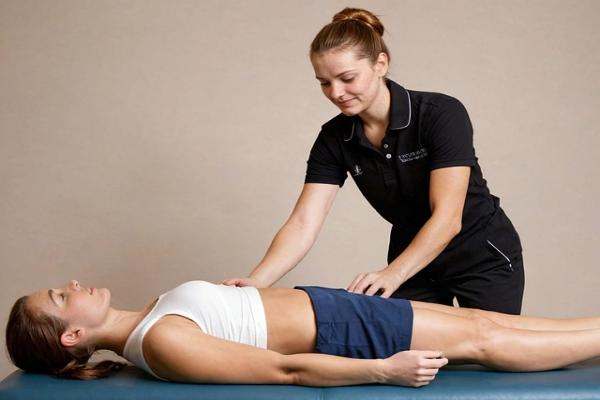
When someone hears their fracture is “healing well,” they usually think they’re almost done.
From my side of the table, that’s often when the real work starts.
The bone might be knitting back together, but everything around it has changed. Muscles weaken, joints stiffen, movement patterns shift without the person realizing it.
I’ve had patients with perfectly healed X-rays who still couldn’t walk normally or lift their arm without compensation. That’s where physical therapy steps in.
Right after a fracture, especially if there’s a cast or surgical repair involved, the instinct is to avoid movement completely.
Some protection is necessary. No question there.
But total inactivity creates its own problems.
Even when the injured area is immobilized, we usually start working on what can move safely. That might mean gentle motion in nearby joints, basic muscle activation, or circulation work to reduce stiffness and swelling.
A patient with a wrist fracture might still be doing shoulder and elbow movements. Someone with an ankle injury might be working on hip strength from day one.
It feels small, but it prevents a much bigger problem later.
When the doctor clears someone to start moving the injured area, most people expect it to feel normal again.
It doesn’t.
The joint is stiff, the muscles don’t respond the same way, and simple movements feel awkward or weak.
This is where people get frustrated.
We spend a lot of time here rebuilding range of motion. Not forcing it, but gradually restoring it. Small, controlled movements repeated consistently.
I remember a patient with a shoulder fracture who couldn’t lift her arm past a certain point without pain. It wasn’t the bone anymore. It was the surrounding tissue adapting to being still for too long.
Once movement returned, everything else started to follow.
This is one of the biggest surprises.
Even after mobility improves, strength doesn’t snap back quickly.
Muscle loss happens fast during immobilization. Rebuilding it takes time and consistent effort.
We start light. Sometimes very light. Resistance bands, bodyweight work, controlled movements.
Patients often want to jump ahead. I get it. They feel better, so they assume they’re ready for more.
But if you load the area too quickly, the body compensates. That’s when you see poor movement patterns creep in, which can lead to new problems.
Progression matters more than intensity at this stage.
After lower body fractures especially, balance takes a hit.
The body forgets how to trust that limb fully.
I’ve seen patients who were strong enough to walk but still hesitant with uneven ground or quick changes in direction. That hesitation increases the risk of another fall.
So we work on it directly.
Simple balance drills, controlled shifts in weight, gradually reintroducing more dynamic movement. It’s not flashy, but it’s one of the most important parts of recovery.
This is something I spend a lot of time explaining.
Pain during recovery doesn’t automatically mean something is wrong with the bone.
It can come from stiffness, weak muscles, or the body relearning movement.
That said, not all pain should be ignored either.
The key is understanding the difference between discomfort from use and warning signs of overload. That’s where guided rehab helps. You’re not guessing your way through it.
By the time someone finishes therapy, the bone is usually well healed.
But what we’re really measuring is function.
Can they walk without thinking about it. Can they carry weight. Can they return to work or sport without compensating.
I’ve had patients who technically healed months earlier but only felt “normal” again after rebuilding strength and confidence through therapy.
That’s the part people don’t see when they think about fractures.
The body is good at healing bone.
It’s less automatic when it comes to movement.
Physical therapy bridges that gap. It takes someone from “the bone is fine” to “I can actually use my body the way I used to.”
And the patients who do best aren’t always the strongest or the youngest.
They’re the ones who stay consistent, follow progression, and don’t rush the process just because the pain has faded.
When someone comes in with a fracture, they almost always describe it like it came out of nowhere.
But after hearing enough stories, patterns start to repeat.
A bad landing. A twist with the foot stuck. Repetitive stress that built up quietly over weeks. The bone fails at the point where force, position, and timing all line up in the wrong way.
Once you understand those patterns, the injuries stop feeling random.
This is one of the most common ones, especially in sports where falling forward is part of the game.
Basketball, skating, even running on uneven ground.
The instinct is to catch yourself with your hands. That force travels straight into the wrist, and the bone that usually takes the hit is the distal radius.
I’ve had patients walk in saying, “It didn’t seem like a hard fall.” That’s often true. It’s not always about height or speed. It’s about how the hand hits the ground and whether the wrist is extended at the moment of impact.
You’ll usually see swelling quickly, limited movement, and pain when trying to grip or push.
The clavicle tends to break when someone lands on their shoulder or takes a direct hit.
This shows up a lot in cycling, football, and contact sports.
The collarbone acts like a strut between the shoulder and the chest. When force drives the shoulder inward, the clavicle absorbs it and can fail in the middle section.
Patients often describe a sharp pain right after impact and a sense that something isn’t aligned. Sometimes you can actually see the change in contour.
It looks dramatic, but most of these heal well with proper support and time.
This one is about rotation.
The foot plants, the body keeps moving, and the ankle gets forced into a position it can’t handle.
I see this in soccer, basketball, and even casual activities like stepping off a curb awkwardly.
People often think it’s “just a bad sprain” at first. The difference is usually in the level of pain, the inability to bear weight, and how quickly swelling builds.
The bones around the ankle, especially the fibula, can fracture under that twisting load.
What stands out is how often this happens in moments that feel routine. A simple cut, a quick change in direction.
Not all fractures come from a single event.
Stress fractures develop over time from repeated loading without enough recovery. I see these a lot in runners, especially those who increase mileage too quickly or change surfaces.
The tibia and the bones of the foot are common sites.
The tricky part is that the pain starts mild. People run through it, thinking it’s normal soreness. Then it gets sharper, more localized, and eventually constant.
By the time they come in, it’s no longer something you can ignore.
These are the ones that teach patience, because healing requires stepping back, not pushing through.
Anything involving a ball or quick hand contact brings risk here.
Basketball, volleyball, cricket.
A ball hits the finger at the wrong angle, or the hand collides with another player. The smaller bones don’t tolerate bending forces well.
These injuries get dismissed a lot at first. People tape them up and keep playing. Sometimes that’s fine, but sometimes a small fracture gets missed and heals poorly.
If movement is significantly limited or the finger looks off, it’s worth getting checked early.
This is something patients ask all the time.
Two people fall the same way. One walks away, the other ends up with a fracture.
Part of it is bone strength. Part of it is how the body absorbs force. Muscle control, reaction timing, even fatigue all play a role.
I’ve seen well-conditioned athletes avoid serious injury in situations that would likely cause damage in someone less prepared.
But I’ve also seen experienced athletes get hurt because they were tired, slightly off balance, or just unlucky in that moment.
There’s no single factor you can point to every time.
Before I worked in a clinic, I thought of fractures as isolated problems.
Now I see them as part of a chain.
The injury is one point, but what led to it often starts earlier. Movement patterns, strength imbalances, training habits.
And recovery isn’t just about the bone healing. It’s about making sure the same pattern doesn’t repeat once the person returns to their sport.
That’s usually where the real work happens.
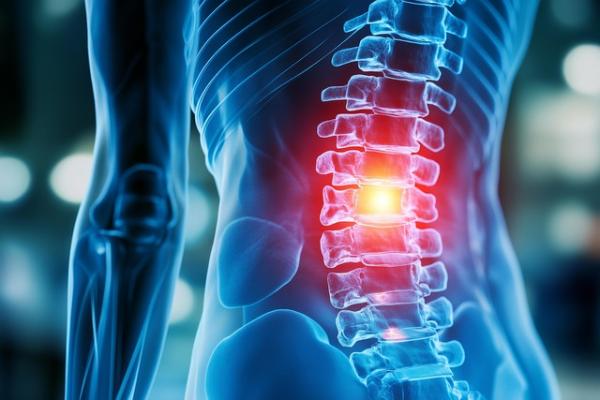
Osteoporosis doesn’t announce itself early.
By the time I meet someone in the clinic, it’s often after a fall that shouldn’t have caused a fracture but did. A simple misstep, a light slip in the bathroom, sometimes even just lifting something awkwardly.
That’s the part that catches people off guard.
They didn’t feel fragile before. They were living normally. Then one incident changes how they see their own body.
What I’ve learned from watching this pattern repeat is that prevention has to start before anything feels wrong.
There’s a common idea that bones are fixed structures that slowly wear down with age.
That’s not how it works.
Bone is constantly remodeling. It responds to stress, movement, and load. When that stimulus drops off, bone density follows.
I see this clearly in patients who’ve been inactive for long periods. It’s not just muscle loss. The bone itself becomes less prepared to handle everyday force.
The flip side is encouraging. When people start loading their bodies again in the right way, bone responds. Not overnight, and not dramatically at first, but consistently.
They keep moving against resistance.
Not extreme workouts. Not anything flashy. Just regular, consistent load on their bodies.
Walking helps, but on its own it’s often not enough. Bones need a bit more challenge to maintain density. That usually means some form of resistance training.
I’ve worked with patients in their 60s and 70s who started basic strength work and saw real improvements in stability and confidence within months. Not because their bones magically reversed course, but because everything around those bones got stronger and more supportive.
The key is progression. Starting light, then gradually increasing load in a controlled way.
Preventing osteoporosis isn’t only about bone density. It’s about avoiding the fall that exposes the weakness.
This is where balance training comes in.
Simple things make a difference. Standing on one leg while brushing your teeth. Controlled step-down movements. Practicing shifts in weight.
It sounds basic, but I’ve seen patients who couldn’t hold a single-leg stance for more than a couple of seconds. That’s a risk factor in itself.
Improving balance reduces the chance of sudden, uncontrolled movements that lead to injury.
Most people know calcium is important. That part isn’t new.
But what I see in practice is that nutrition tends to be inconsistent rather than insufficient in a dramatic way.
Vitamin D plays a role because it helps with calcium absorption. Protein matters more than people expect because it supports the muscle that stabilizes everything.
What doesn’t work is trying to fix years of imbalance with a short burst of supplements. It’s the daily pattern that counts.
I’ve had patients who took all the right supplements but still had poor outcomes because their overall diet and activity level didn’t support bone health.
This is something that doesn’t get enough attention.
As bone density decreases, especially in the spine, posture often starts to shift forward. That change increases stress on certain areas and can contribute to compression fractures over time.
I’ve worked with people who didn’t realize how much their posture had changed until we corrected it slightly and they felt immediate relief.
Maintaining spinal alignment isn’t about standing perfectly straight all the time. It’s about avoiding long periods in positions that reinforce that forward collapse.
Small adjustments throughout the day add up.
There’s a clear difference between prevention and management.
When someone already has significant bone loss, the focus becomes reducing risk and maintaining function. That’s still valuable, but the margin for error is smaller.
When someone starts earlier, even in their 30s or 40s, the approach is more flexible. Building strength, maintaining activity, supporting bone health before decline sets in.
I’ve seen both ends of that spectrum. The earlier group has more room to adapt and fewer limitations later on.
Start with movement you can repeat consistently.
Add resistance, even if it’s light at first. Pay attention to balance. Eat in a way that supports your body daily, not occasionally.
And most importantly, don’t wait for a warning sign.
Because with osteoporosis, the first real sign is often the one you wish you had prevented.
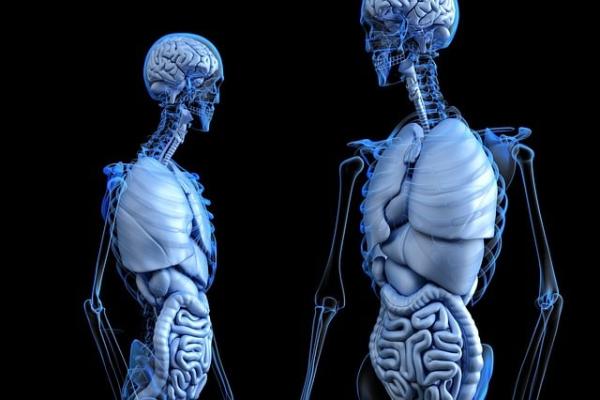
When I first studied anatomy, it was all diagrams and labels. Skull, femur, tibia. Memorize, test, move on.
That’s not how you understand bones in real life.
You understand them when someone walks in with pain and you have to figure out what’s actually taking the load, what’s compensating, and what’s about to get worse if they keep moving the same way.
The skeleton isn’t just a structure. It’s a system that’s constantly negotiating with gravity.
The skull itself is usually not the issue. It’s stable, protective, built to do its job well.
But where it sits matters more than people think.
If your head drifts forward even a little, the load on your cervical spine increases fast. I see this all the time with people who spend hours on laptops. They don’t come in complaining about their skull, obviously. They come in with neck stiffness, headaches, or shoulder tightness.
The cervical spine, then the thoracic, then the lumbar spine. Three sections, each with a different role.
The thoracic spine is supposed to rotate and extend, but in a lot of people it’s stiff. So the lower back ends up doing work it wasn’t designed for. That’s where a lot of pain starts.
The lumbar spine is strong, but it’s not meant to twist much. When it does, usually something else isn’t doing its job.
Most people don’t think of ribs as something that affects movement, but they do.
If the rib cage is locked up or flared out, breathing changes. When breathing changes, core stability changes. And then everything down the chain starts adjusting.
I’ve worked with patients who improved their back pain just by learning how to move their rib cage properly again. No heavy strengthening at first. Just getting that structure to do what it’s supposed to do.
If there’s one area I pay the most attention to, it’s the pelvis.
The pelvis connects your spine to your legs. That alone makes it important, but what really matters is how it moves or doesn’t move.
You’ve got the hip bones forming the sides, and the sacrum sitting in the back like a keystone. When that area is stable and aligned, everything above and below works better.
When it’s off, you see it everywhere. Knee pain, lower back pain, even ankle issues sometimes trace back to poor control around the pelvis.
A patient I worked with had recurring knee pain for months. Strength wasn’t the issue. It was how their pelvis shifted every time they stepped. Once that changed, the knee settled down without us ever directly treating it aggressively.
The femur, your thigh bone, is built to handle serious load.
It connects into the hip and down into the knee, and it’s designed to transfer force efficiently. When people say “my knees can’t handle it,” a lot of the time it’s not the femur failing. It’s alignment and control around it.
The angle at which the femur meets the pelvis and knee matters. If that alignment drifts, stress shifts to places that don’t tolerate it well.
That’s when you start seeing wear, irritation, and eventually injury patterns that feel random but usually aren’t.
The knee joint sits between the femur and the tibia, with the patella in front acting like a guide for the quadriceps.
It’s strong in one direction. Bend and straighten. That’s its job.
But it doesn’t like twisting under load.
A lot of knee injuries I see happen when the foot is planted and the body rotates. The bones themselves are doing what they can, but they’re being asked to handle forces they weren’t designed for.
People often focus on strengthening the knee directly. That helps, but if the hip and ankle aren’t doing their part, the knee keeps getting pulled into bad positions.
The tibia carries most of the weight down the lower leg. The fibula supports and stabilizes.
Then you get into the foot, which is far more complex than people expect. Multiple small bones working together to absorb impact and adapt to the ground.
If the foot is stiff, force travels up. If it’s unstable, the body tries to compensate above.
I’ve seen ankle issues that were really hip problems, and foot pain that was tied to how someone was loading their spine.
Everything connects, even when it doesn’t feel like it should.
If you asked me to list all the major bones, I could do it.
But that’s not what matters day to day.
What matters is understanding which bones are taking load, which ones are being protected, and which ones are being overused because something else isn’t pulling its weight.
Once you see the skeleton that way, it stops being a static diagram and starts looking like a moving structure that adapts, compensates, and sometimes breaks down when the balance is off.
That’s the version that actually helps people.